



Keep the occupied building in the scope
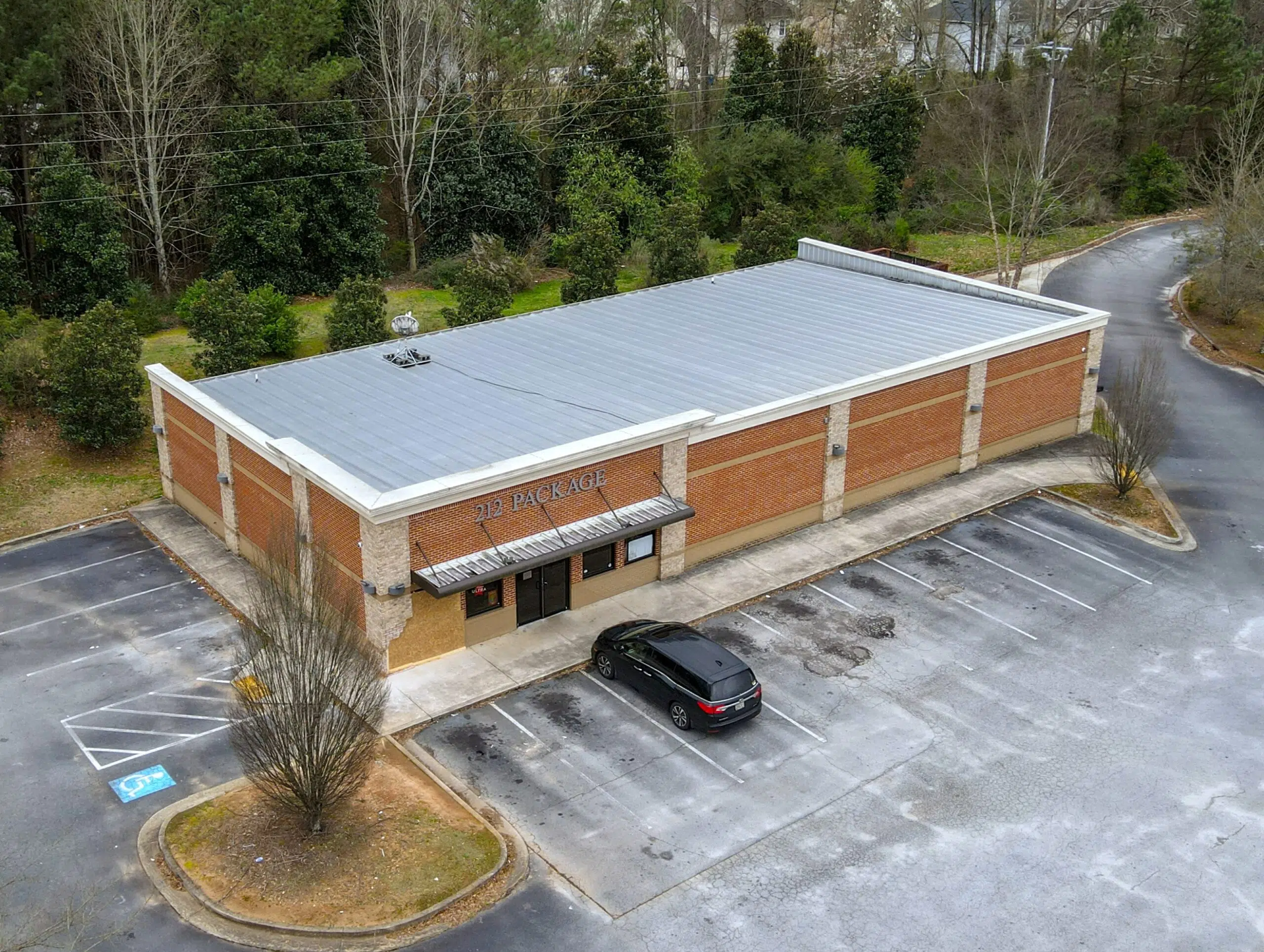
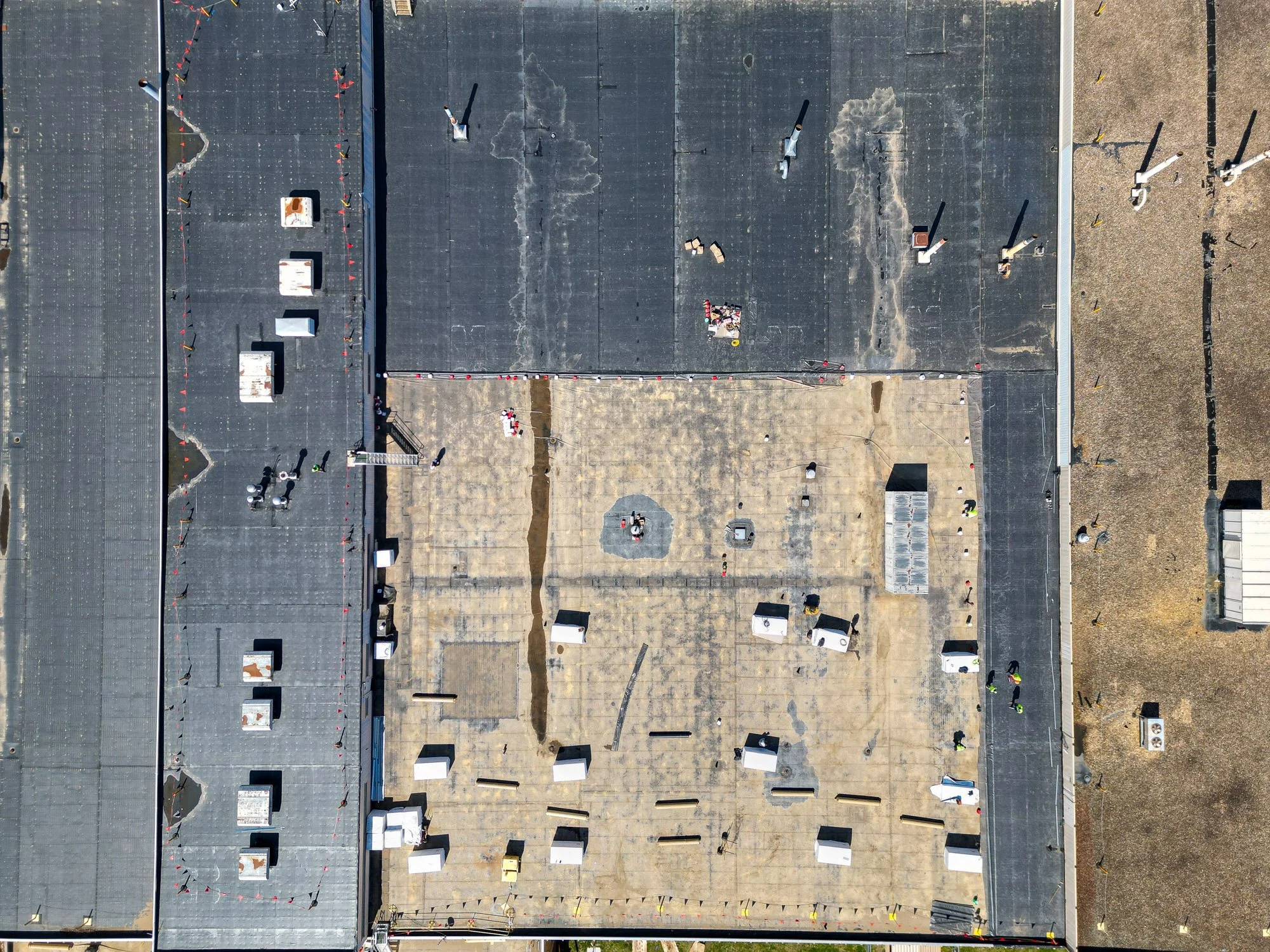
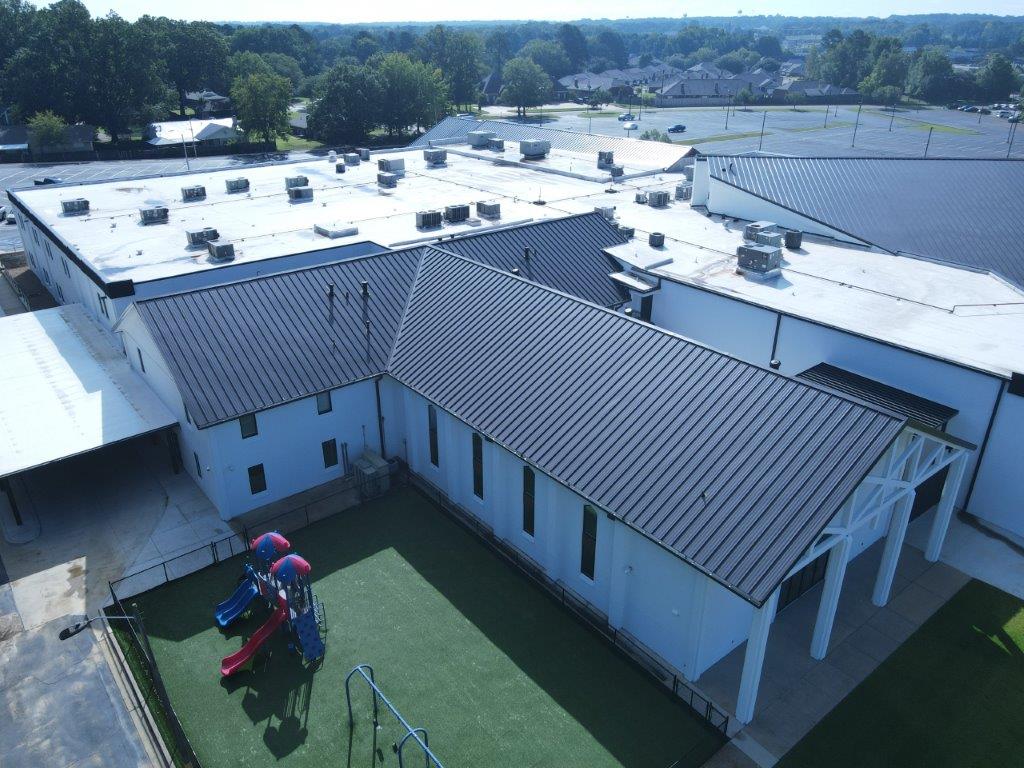
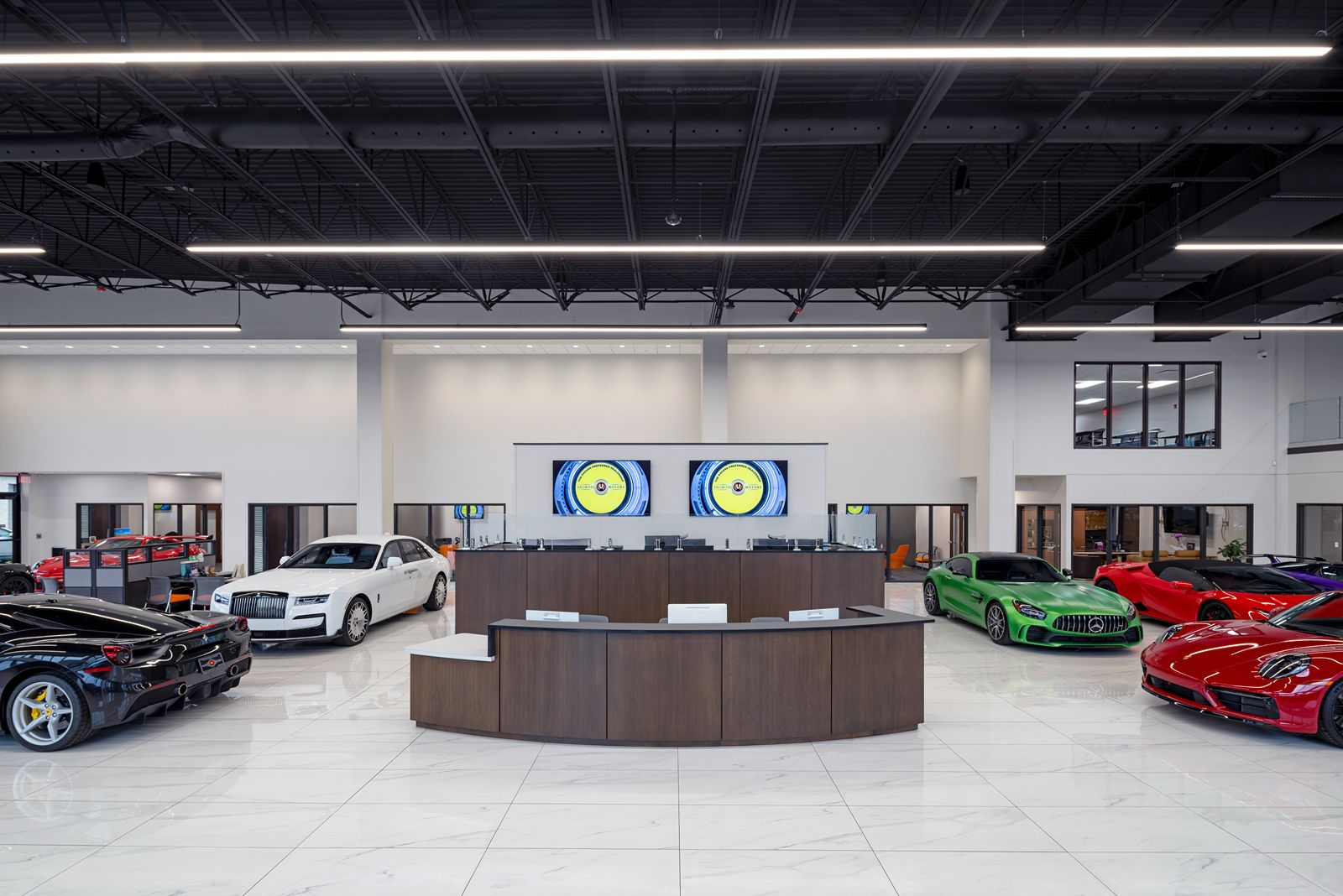
Building operations change how the same roof work is performed. On office buildings, retail properties, or warehouses, access, interior sensitivity, security, and working hours can define the safe sequence. Access and protection notes should cover ladders or hatches, staging, falling-object zones, odor and noise, equipment clearances, daily cleanup, weather stops, and the rooms directly below openings or test cuts. Operating controls are roof-quality controls. Water, debris, odor, noise, or an unsecured access point can harm the owner even when the installed detail itself is correct, so those risks need owners and closeout checks.
Use condition thresholds instead of sales pressure
The recommendation must answer whether cleaning is enough, whether a drain or flashing detail needs repair, or whether chronic slope and capacity problems require redesign. An isolated repair, repair program, restoration, recover assembly, and full replacement solve different condition patterns and should not be presented as interchangeable price levels. Decision thresholds include moisture extent, remaining secure attachment, deck condition, prior repair performance, drainage, assembly compatibility, operational risk, budget timing, and the period the owner expects the roof to remain in service. A smaller scope is not automatically prudent, and a larger scope is not automatically safer. The defensible option is the one whose boundaries match the documented condition and the owner's operating requirements.
Carry today's evidence into the next roof decision
After this scope, the record should advance to a roof-condition review that connects drainage failures to membrane and insulation performance. Carrying the same roof-zone names and evidence forward prevents the next visit from starting with an empty file. For one building, that history makes the next visit faster and reveals whether a repair held. Across a portfolio, it lets ownership rank roofs by condition, operational risk, repair spending, and capital timing instead of reacting to the newest ceiling stain. The result is more than a completed patch or proposal. It is a controlled sequence from immediate response to documented condition, from condition to an appropriate option, and from that option to scheduled stewardship of the roof asset.
Give the first call enough information to work
The first conversation about slow roof drains, blocked strainers, backed-up leaders, leaking drain bowls, undersized scuppers, missing overflow paths, or ponding that remains after rainfall should establish the St Louis property address, contact on site, roof-access method, affected interior area, when water was first observed, whether entry is active, and any immediate safety concern. Interior photographs can preserve stain limits and active-drip locations before ceiling materials are moved. Roof photographs from facility staff may help with orientation, but they do not replace safe field verification or authorize untrained personnel to enter the roof. The response plan should match the reported condition without promising a cause, permanent repair, or arrival time that has not been verified. Dispatch clarity is valuable precisely because it avoids unsupported assumptions.
Make allowances and exclusions visible
The owner should see the boundary between the base scope and contingent work. That includes moisture limits, substrate repair, additional layers, damaged deck, blocked piping, inaccessible details, hazardous materials, and work by other trades. Exclusions should not function as an escape hatch. Each exclusion needs a reason and, where practical, a defined way to resolve it through testing, access, document review, engineering, or a unit-price condition discovered during construction. A reviewable proposal lets ownership compare boundaries, evidence, materials, quantities, disruption, and closeout—not just totals. The goal is a scope that remains understandable after the salesperson leaves the room.
Connect the roof problem to the building and weather
St Louis, MO roofs work through severe thunderstorms, hail, wind, humid summers, snow, and freeze-thaw cycling. That exposure guides the field sequence, but it does not by itself explain slow roof drains, blocked strainers, backed-up leaders, leaking drain bowls, undersized scuppers, missing overflow paths, or ponding that remains after rainfall. Interior evidence should be mapped to a roof elevation before anyone chooses a drain, wall, curb, seam, penetration, or edge as the cause. Water can move laterally through insulation, along deck flutes, or down structural elements and appear away from the opening. This distinction protects the owner from treating a correlation as proof. It also lets the next technician revisit the precise unknown instead of repeating the entire investigation.
What the field record must establish
A decision-grade St Louis roof record includes water depth and duration, debris, drain and scupper condition, membrane terminations, interior staining, discharge restrictions, roof slope, overflow provisions, and repeated ponding locations. Conditions should be organized by roof area and priority rather than buried in a chronological photo dump. The field sequence is to follow water from the roof field through low points, sumps, drain bodies, clamping rings, scuppers, leaders, overflow openings, and safe discharge points. Photographs should show context and detail, and test locations should explain what question was being answered and how the opening was closed. The closeout should identify today's completed scope and tomorrow's unresolved work independently. That structure is especially important when several vendors, tenants, or ownership representatives will rely on the same roof file.
Roof-system details change the diagnosis
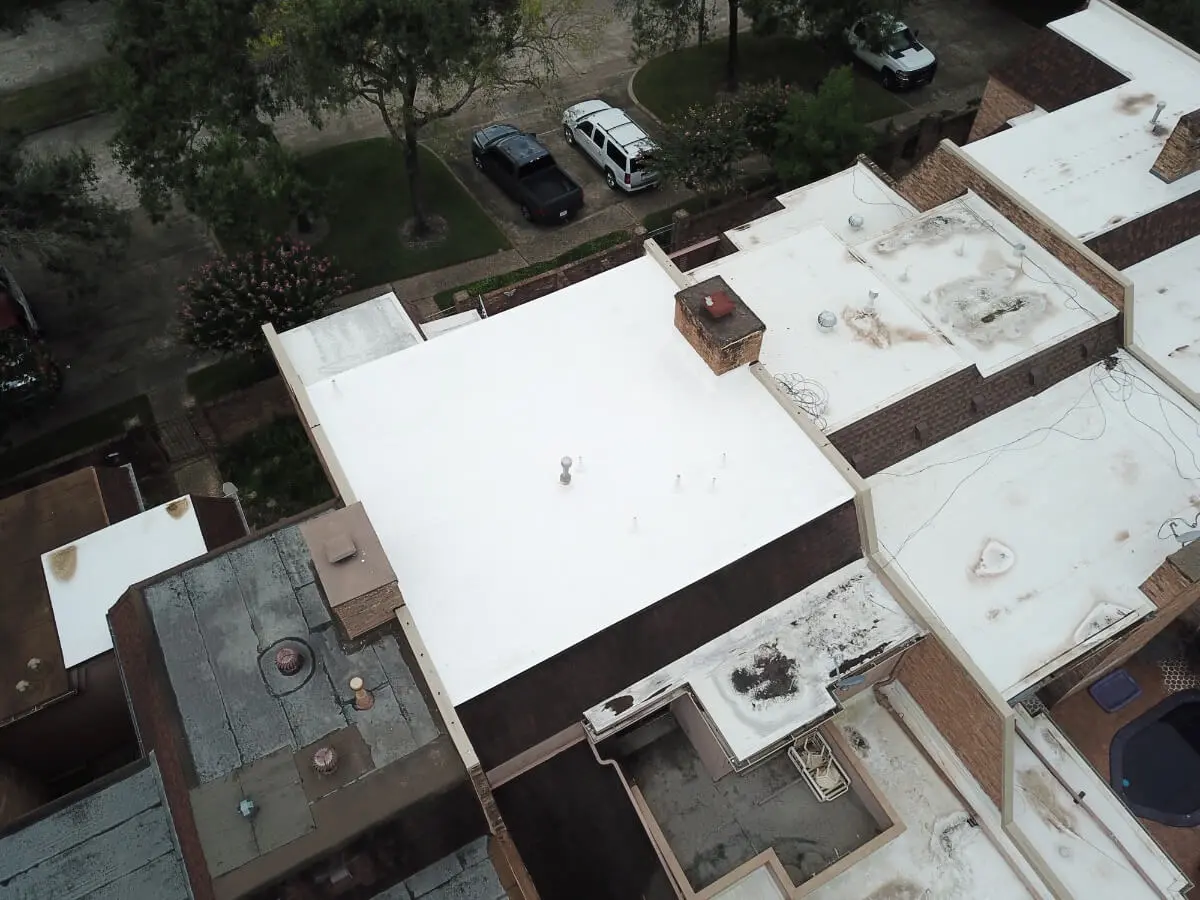
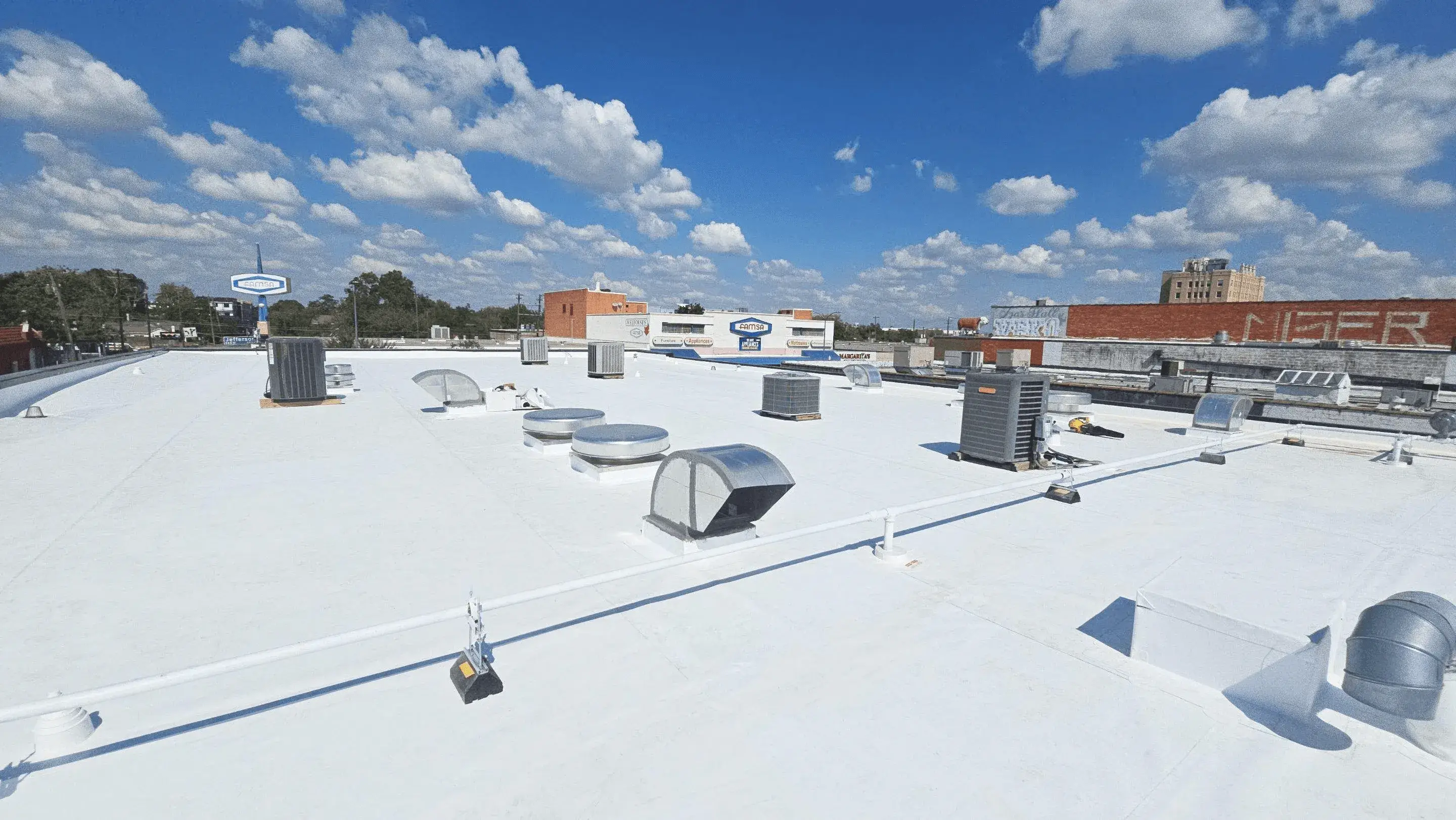
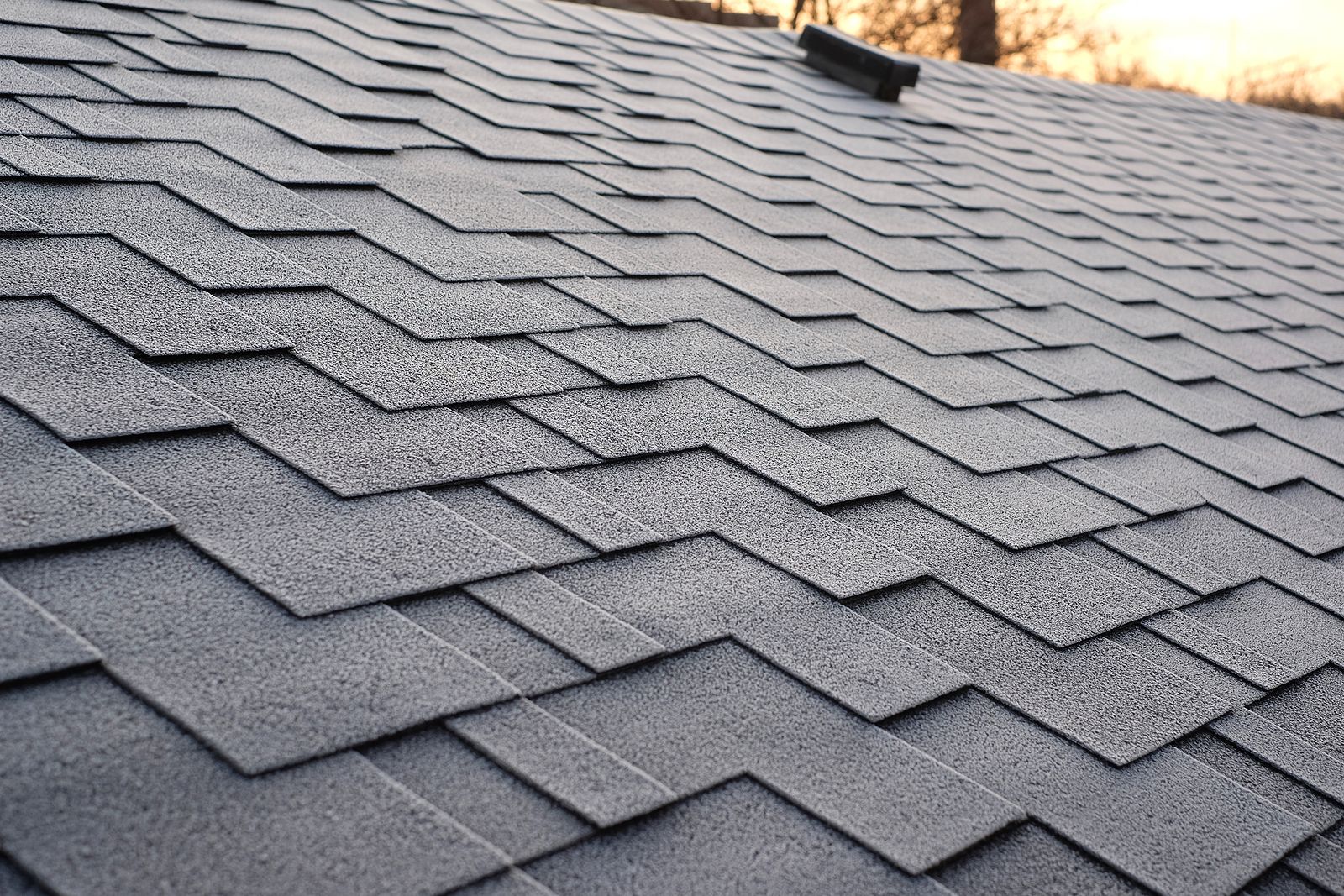
Roof-system identification changes the diagnosis. Around St Louis, the target page inventory includes modified bitumen, coated roof areas, and single-ply membrane, each with its own seam, flashing, fastener, and compatibility questions. Preparation and repair language must fit the substrate. Cleaning, drying, reinforcement, fastening, priming, welding, adhesion, and cure requirements should not be copied from one roof system to another without verification. A localized defect may be repairable while saturated insulation or chronic ponding changes the wider recommendation. That is why roof construction and moisture evidence must be connected to whether cleaning is enough, whether a drain or flashing detail needs repair, or whether chronic slope and capacity problems require redesign.
St Louis decision checklist
- Map the interior symptom to a named roof area before selecting a repair detail.
- Record temporary measures separately from permanent work and list every open item.
- Verify drainage, penetrations, walls, edges, earlier repairs, and transitions around the affected area.
- State the observed roof assembly, unknown construction, access limits, and testing assumptions.
- Connect the recommendation to repair, restoration, replacement, maintenance, or capital-planning thresholds.
- Set the next inspection or follow-up date so the roof history continues after this visit.
Commercial roof decision questions
Does this condition automatically mean the roof must be replaced?
No. The review should establish whether cleaning is enough, whether a drain or flashing detail needs repair, or whether chronic slope and capacity problems require redesign. Replacement becomes a defensible recommendation only when the field evidence, moisture, assembly condition, repair history, deck or attachment concerns, and lifecycle comparison support it.
What should the St Louis roof scope document?
It should document water depth and duration, debris, drain and scupper condition, membrane terminations, interior staining, discharge restrictions, roof slope, overflow provisions, and repeated ponding locations. It should also label temporary and permanent work separately, state assumptions and exclusions, and identify the inspection or service step that follows the current scope.
How does an urgent call become a maintenance or capital plan?
The immediate visit creates the first roof-area record. A follow-up inspection establishes condition and priorities. Completed repairs, recurring observations, drain service, warranties, and future recommendations are then retained so maintenance stays scheduled and larger work can be placed into the appropriate capital year.